

OBD-II System Category
Fuel and Air Metering OBD Codes
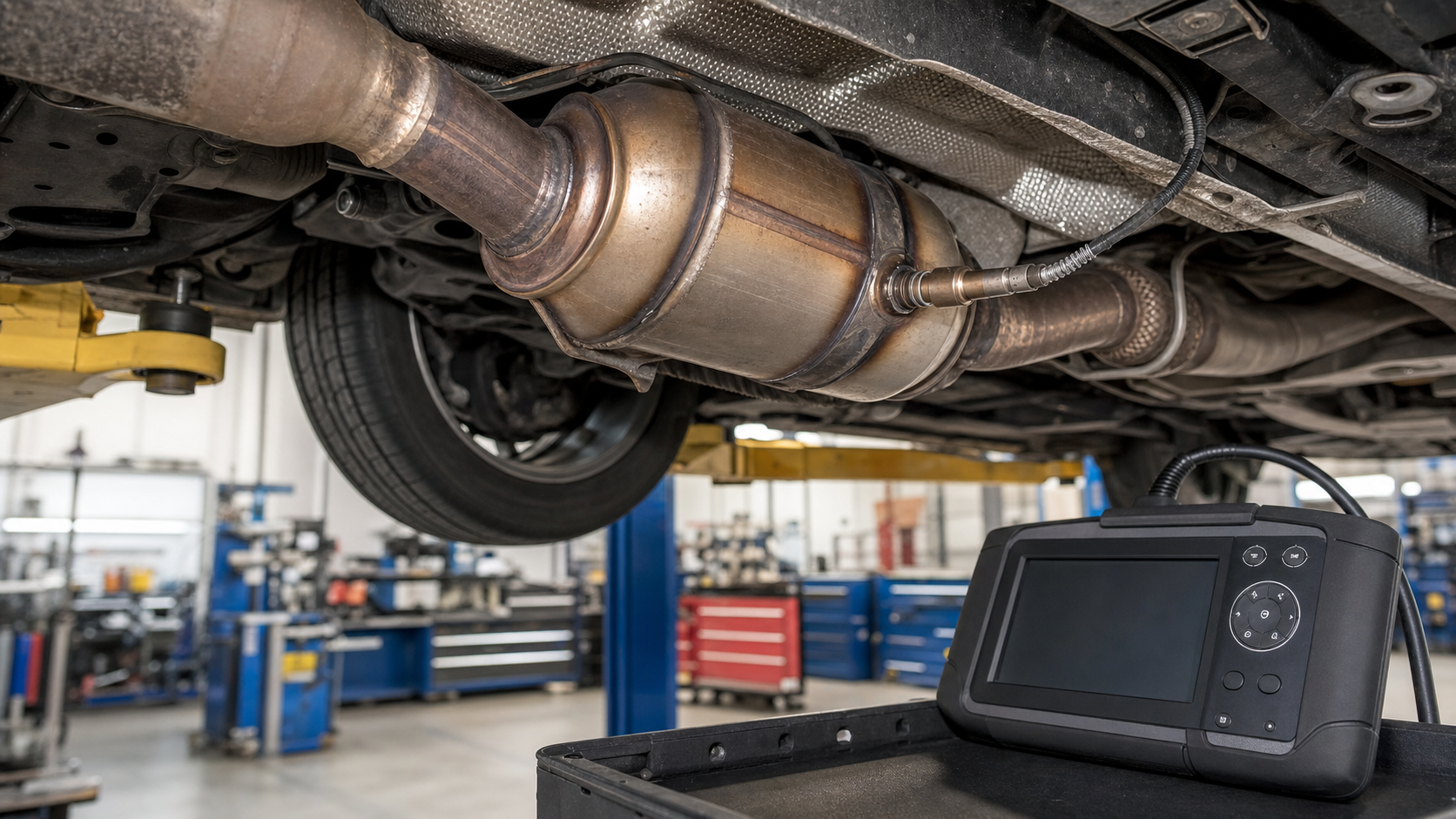
Fuel and air metering codes usually point to a mixture, sensor, air leak, fuel pressure, or intake measurement problem. This category page groups the most useful fuel and air metering guides, symptoms, likely parts, and diagnostic checks.
Common symptoms
- rough idle
- hesitation
- poor fuel economy
- hard starting
- check engine light
Likely causes
- vacuum leak
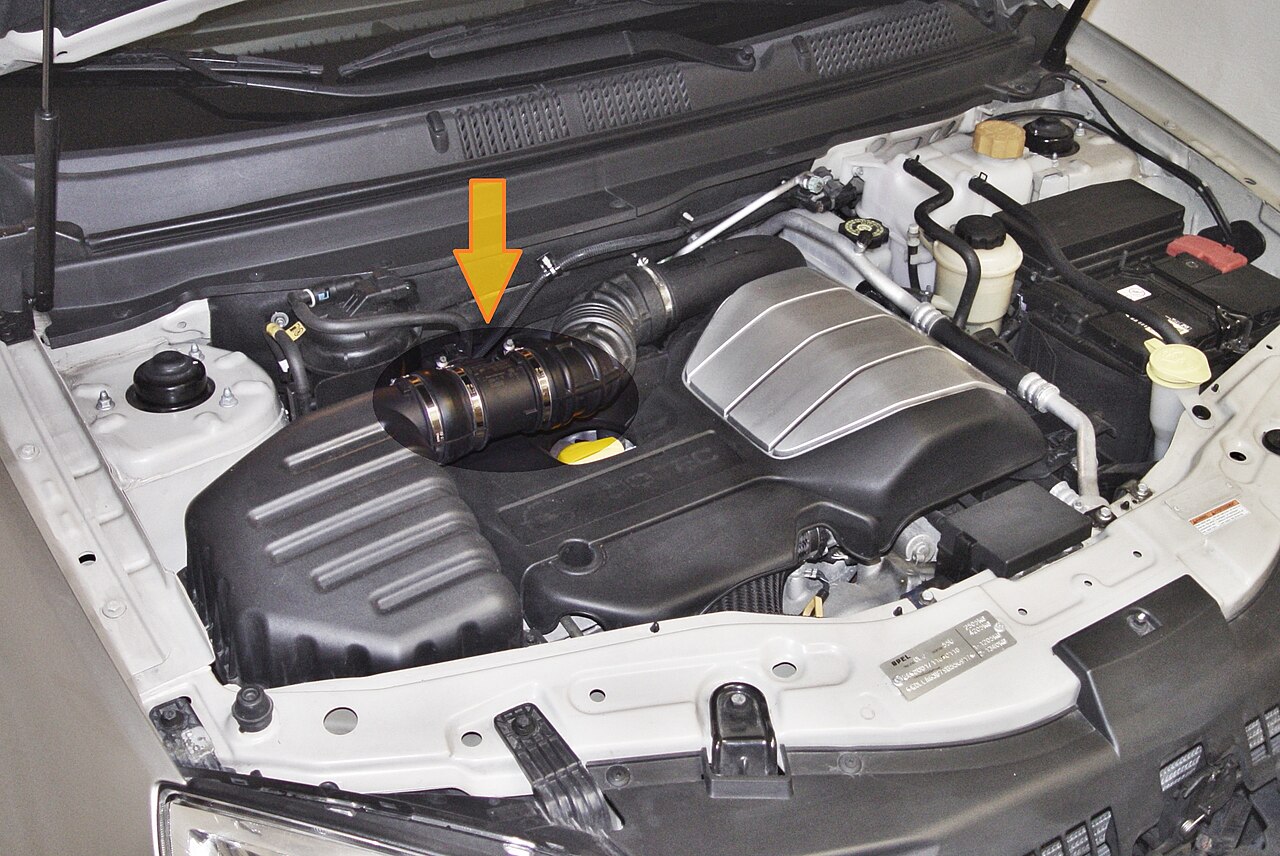
- dirty or failing MAF sensor
- weak fuel pressure
- intake duct leak
- exhaust leak near a sensor
How Fuel and Air Metering Codes Usually Start
Fuel and Air Metering codes are best handled as failed tests, not automatic part orders. A scanner shows what the vehicle detected, but the repair still depends on freeze-frame data, live readings, visible condition, and whether any upstream code changed the result. In this category, the first inspection usually covers MAF sensor, oxygen sensor, fuel pump, then moves to wiring, leaks, pressure, fluid condition, or module commands if the visual checks do not explain the fault.
Use the individual guides such as P0068, P0087, P0088, P0090, P0100, P0101 to move from system-level context into a code-specific diagnosis. Each page has a different title, safety note, cost range, and related-code path, so the category page should be a starting point rather than the final answer.
Data to Save for Fuel and Air Metering
- Stored, pending, and permanent fuel and air metering codes from all available modules.
- Freeze-frame speed, load, coolant temperature, fuel trim, voltage, and operating state.
- Recent fuel and air metering repairs, maintenance, battery events, fluid service, fuel fill-ups, or weather changes.
- Whether symptoms match rough idle, hesitation, poor fuel economy or appear only under one driving condition.
Common False Leads
False leads happen when a secondary code is repaired before the cause that created it. With fuel and air metering, inspect vacuum leak, dirty or failing MAF sensor, weak fuel pressure, intake duct leak before assuming the named sensor or module is bad. A loose connector, intake leak, weak battery, low fluid level, or exhaust leak can make an otherwise good component report impossible values.
When the fuel and air metering estimate is expensive, ask which test proved the failure and whether related codes changed the diagnostic order.
Repair Verification for Fuel and Air Metering Codes
Verification should match the original condition. If the code set at highway cruise, a driveway idle test is not enough. If it set cold, a hot restart may not prove anything. After repair, clear the code, repeat the relevant drive condition, and confirm the monitor or live-data value behaves normally. This final step is what separates a completed fuel and air metering repair from a temporary warning-light reset.
For fuel and air metering, document what changed after the repair: code status, pending-code status, live-data reading, monitor status, and whether the original symptom returned. That record matters because a second code in the same system can be a new failure, a missed upstream cause, or a normal monitor that has not completed yet.
Fuel and Air Metering Cost Planning
Costs in the fuel and air metering category depend on access and proof. A connector, hose, service item, fluid correction, or visible leak can be modest. A buried harness, converter, transmission, module, or intermittent electrical fault needs more testing and should come with a clearer written explanation.
Best Internal Path
Open the most specific fuel and air metering code page first, then compare the symptom and repair-cost page if available. The category page explains the system, but the code page carries the exact diagnostic sequence and related-code links.
Fuel and Air Metering Summary
Use this fuel and air metering category to understand the system, then move into the exact code guide. The strongest repair plan saves scan data, checks likely causes, confirms the failed test, compares cost range, and verifies the repair under the original driving condition.
When a fuel and air metering page feels close but not exact, compare the listed symptoms and the code titles before deciding. The right next page is the one that matches both the scan result and the way the vehicle behaved when the warning light appeared.
If two fuel and air metering guides seem relevant, prioritize the one tied to stored or pending code data. Then use the other page as a comparison for related symptoms, costs, and follow-up checks.
That final fuel and air metering comparison keeps the category useful without turning it into a generic repair guess or a thin list of links.
When the fuel and air metering category still feels broad, move into a specific guide and compare the exact title, symptoms, likely causes, and cost range. A category can explain the system, but the individual page is where the repair path becomes specific enough to test.
Fuel and Air Metering Code Guides
 P0087
Fuel Rail/System Pressure Too Low
P0088
Fuel Rail/System Pressure Too High
P0090
Fuel Pressure Regulator 1 Control Circuit
P0100
Mass or Volume Air Flow Sensor Circuit Malfunction
P0101
Mass or Volume Air Flow Sensor Circuit Range/Performance Problem
P0102
Mass or Volume Air Flow Sensor Circuit Low Input
P0103
Mass or Volume Air Flow Sensor Circuit High Input
P0104
Mass or Volume Air Flow Sensor Circuit Intermittent
P0105
Manifold Absolute Pressure/Barometric Pressure Sensor Circuit Malfunction
P0106
Manifold Absolute Pressure/Barometric Pressure Sensor Circuit Range/Performance Problem
P0107
Manifold Absolute Pressure/Barometric Pressure Sensor Circuit Low Input
P0108
Manifold Absolute Pressure/Barometric Pressure Sensor Circuit High Input
P0109
Manifold Absolute Pressure/Barometric Pressure Sensor Circuit Intermittent
P0110
Intake Air Temperature Sensor 1 Circuit Malfunction
P0111
Intake Air Temperature Sensor 1 Circuit Range/Performance Problem
P0112
Intake Air Temperature Sensor 1 Circuit Low Input
P0113
Intake Air Temperature Sensor 1 Circuit High Input
P0114
Intake Air Temperature Sensor 1 Circuit Intermittent
P0171
System Too Lean (Bank 1)
P0172
System Too Rich (Bank 1)
P0174
System Too Lean (Bank 2)
P0175
System Too Rich (Bank 2)
P0180
Fuel Temperature Sensor A Circuit Malfunction
P0181
Fuel Temperature Sensor A Circuit Range/Performance Problem
P0182
Fuel Temperature Sensor A Circuit Low Input
P0183
Fuel Temperature Sensor A Circuit High Input
P0184
Fuel Temperature Sensor A Circuit Intermittent
P0190
Fuel Rail Pressure Sensor Circuit Malfunction
P0191
Fuel Rail Pressure Sensor Circuit Range/Performance Problem
P0192
Fuel Rail Pressure Sensor Circuit Low Input
P0193
Fuel Rail Pressure Sensor Circuit High Input
P0194
Fuel Rail Pressure Sensor Circuit Intermittent
P0200
Injector Circuit/Open
P0201
Injector Circuit/Open - Cylinder 1
P0202
Injector Circuit/Open - Cylinder 2
P0203
Injector Circuit/Open - Cylinder 3
P0204
Injector Circuit/Open - Cylinder 4
P0205
Injector Circuit/Open - Cylinder 5
P0206
Injector Circuit/Open - Cylinder 6
P0207
Injector Circuit/Open - Cylinder 7
P0208
Injector Circuit/Open - Cylinder 8
P0209
Injector Circuit/Open - Cylinder 9
P0210
Injector Circuit/Open - Cylinder 10
P0211
Injector Circuit/Open - Cylinder 11
P0212
Injector Circuit/Open - Cylinder 12
P0230
Fuel Pump Primary Circuit
P0234
Turbocharger/Supercharger Overboost Condition
P0299
Turbocharger/Supercharger Underboost
P0460
Fuel Level Sensor Circuit Malfunction
P0461
Fuel Level Sensor Circuit Range/Performance Problem
P0462
Fuel Level Sensor Circuit Low Input
P0463
Fuel Level Sensor Circuit High Input
P0464
Fuel Level Sensor Circuit Intermittent
P0505
Idle Control System Malfunction
P0506
Idle Control System RPM Lower Than Expected
P0507
Idle Control System RPM Higher Than Expected
P0087
Fuel Rail/System Pressure Too Low
P0088
Fuel Rail/System Pressure Too High
P0090
Fuel Pressure Regulator 1 Control Circuit
P0100
Mass or Volume Air Flow Sensor Circuit Malfunction
P0101
Mass or Volume Air Flow Sensor Circuit Range/Performance Problem
P0102
Mass or Volume Air Flow Sensor Circuit Low Input
P0103
Mass or Volume Air Flow Sensor Circuit High Input
P0104
Mass or Volume Air Flow Sensor Circuit Intermittent
P0105
Manifold Absolute Pressure/Barometric Pressure Sensor Circuit Malfunction
P0106
Manifold Absolute Pressure/Barometric Pressure Sensor Circuit Range/Performance Problem
P0107
Manifold Absolute Pressure/Barometric Pressure Sensor Circuit Low Input
P0108
Manifold Absolute Pressure/Barometric Pressure Sensor Circuit High Input
P0109
Manifold Absolute Pressure/Barometric Pressure Sensor Circuit Intermittent
P0110
Intake Air Temperature Sensor 1 Circuit Malfunction
P0111
Intake Air Temperature Sensor 1 Circuit Range/Performance Problem
P0112
Intake Air Temperature Sensor 1 Circuit Low Input
P0113
Intake Air Temperature Sensor 1 Circuit High Input
P0114
Intake Air Temperature Sensor 1 Circuit Intermittent
P0171
System Too Lean (Bank 1)
P0172
System Too Rich (Bank 1)
P0174
System Too Lean (Bank 2)
P0175
System Too Rich (Bank 2)
P0180
Fuel Temperature Sensor A Circuit Malfunction
P0181
Fuel Temperature Sensor A Circuit Range/Performance Problem
P0182
Fuel Temperature Sensor A Circuit Low Input
P0183
Fuel Temperature Sensor A Circuit High Input
P0184
Fuel Temperature Sensor A Circuit Intermittent
P0190
Fuel Rail Pressure Sensor Circuit Malfunction
P0191
Fuel Rail Pressure Sensor Circuit Range/Performance Problem
P0192
Fuel Rail Pressure Sensor Circuit Low Input
P0193
Fuel Rail Pressure Sensor Circuit High Input
P0194
Fuel Rail Pressure Sensor Circuit Intermittent
P0200
Injector Circuit/Open
P0201
Injector Circuit/Open - Cylinder 1
P0202
Injector Circuit/Open - Cylinder 2
P0203
Injector Circuit/Open - Cylinder 3
P0204
Injector Circuit/Open - Cylinder 4
P0205
Injector Circuit/Open - Cylinder 5
P0206
Injector Circuit/Open - Cylinder 6
P0207
Injector Circuit/Open - Cylinder 7
P0208
Injector Circuit/Open - Cylinder 8
P0209
Injector Circuit/Open - Cylinder 9
P0210
Injector Circuit/Open - Cylinder 10
P0211
Injector Circuit/Open - Cylinder 11
P0212
Injector Circuit/Open - Cylinder 12
P0230
Fuel Pump Primary Circuit
P0234
Turbocharger/Supercharger Overboost Condition
P0299
Turbocharger/Supercharger Underboost
P0460
Fuel Level Sensor Circuit Malfunction
P0461
Fuel Level Sensor Circuit Range/Performance Problem
P0462
Fuel Level Sensor Circuit Low Input
P0463
Fuel Level Sensor Circuit High Input
P0464
Fuel Level Sensor Circuit Intermittent
P0505
Idle Control System Malfunction
P0506
Idle Control System RPM Lower Than Expected
P0507
Idle Control System RPM Higher Than Expected